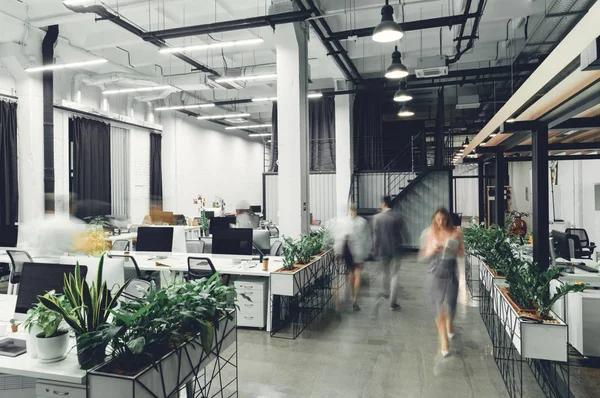
In the evolving landscape of modern office interiors, the selection of furniture plays a pivotal role in shaping not only the aesthetic appeal but also the functionality and productivity of a workspace. As companies strive to create environments that inspire creativity and foster collaboration, office furniture has transcended its traditional role to become an integral component of workplace design.
Modern office interiors are increasingly characterized by open spaces, flexible layouts, and ergonomic designs. The choice of furniture is crucial in supporting these elements while reflecting a company’s brand identity and culture. One significant trend in contemporary office furniture is the emphasis on versatility and adaptability. Modular desks, adjustable chairs, and mobile storage units allow for easy reconfiguration of workspaces to accommodate different tasks or team sizes, promoting a dynamic environment that can evolve with changing needs.
Ergonomics remains at the forefront of modern office design considerations. With many professionals spending long hours at their desks, it’s essential to prioritize comfort and health through well-designed seating options. Ergonomic chairs with lumbar support, height-adjustable desks that encourage movement between sitting and standing positions, and accessories like monitor arms contribute significantly to employee well-being.
Aesthetic appeal is another critical aspect where modern office furniture makes its mark. Clean lines, minimalist designs, and neutral color palettes dominate current trends; however, there is also room for bold statements through accent pieces or innovative materials like reclaimed wood or metal finishes. These choices not only enhance visual interest but often underscore a commitment to sustainability—an increasingly important consideration for businesses today.
Collaboration zones have become staples within modern offices as they facilitate teamwork and innovation. Furniture solutions such as communal tables or lounge areas equipped with comfortable seating can transform underutilized spaces into vibrant hubs for brainstorming sessions or informal meetings.
Technology integration is another key feature influencing contemporary office furniture design. Desks with built-in charging ports or cable management systems help maintain tidy workstations while ensuring employees remain connected without cluttered wires disrupting workflow.
Ultimately, selecting inspired office furniture involves balancing aesthetics with practicality—a task made easier by understanding both organizational goals and employee needs. Whether opting for sleek Scandinavian styles or embracing industrial chic vibes complete with exposed brick walls paired alongside metal fixtures—the right mix can elevate any workspace from ordinary to extraordinary.
As companies continue adapting their physical environments amid shifting work paradigms—from remote setups back towards hybrid models—the role of thoughtfully chosen furnishings becomes even learn more pronounced: serving not just as functional necessities but powerful tools capable transforming entire atmospheres into places where people truly want spend time working creatively together toward common objectives.