Deciding between an air conditioning (AC) tune-up and a system upgrade can be a significant decision for homeowners, often influenced by factors such as cost, efficiency, and the current state of the existing unit. An AC system is crucial for maintaining comfort during hot weather, but like any mechanical device, it requires regular maintenance to function optimally. Understanding when to opt for a simple tune-up versus when to invest in an upgrade can save money and ensure long-term comfort.
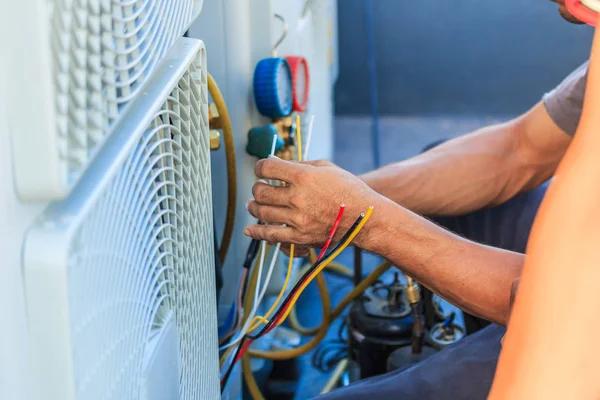
A tune-up involves routine maintenance tasks that help keep your AC running efficiently. This includes cleaning or replacing filters, checking refrigerant levels, inspecting electrical connections, and ensuring all components are functioning correctly. Regular tune-ups can extend the lifespan of your unit and improve its efficiency by up to 15%. If your AC is relatively new—typically less than ten years old—and has been performing well without frequent breakdowns or spikes in energy bills, a tune-up may be sufficient.
However, if your unit frequently requires repairs or struggles to maintain consistent temperatures despite regular maintenance, it might be time to consider an upgrade. Older systems tend to lose efficiency over time due to wear and tear on components that cannot always be resolved with simple fixes. Moreover, technological uncover details advancements have led to newer models being significantly more energy-efficient than those manufactured even just a decade ago. Upgrading could result in substantial savings on energy bills while providing better cooling performance.
Cost is another critical factor when deciding between a tune-up and an upgrade. While upfront costs for upgrading are higher compared to routine maintenance fees associated with a tune-up, the long-term savings from reduced energy consumption should not be overlooked. Additionally, many modern units come with warranties that cover parts and labor for several years post-installation—a financial safety net not available with older systems.
Environmental considerations also play a role in this decision-making process. Newer AC units are designed with eco-friendly refrigerants that have less impact on the ozone layer compared to older models using outdated substances like R-22 refrigerant which is being phased out globally due to environmental concerns.
Ultimately, the decision hinges on evaluating both immediate needs and future benefits. Consulting with HVAC professionals can provide valuable insights tailored specifically for individual circumstances—they can assess whether minor adjustments will suffice or if investing in new technology would offer greater advantages down the line.
In conclusion, balancing initial costs against potential savings along with considering environmental impacts helps determine whether an AC tune-up or system upgrade best suits one’s needs—ensuring optimal home comfort throughout sweltering summer months while safeguarding investments over time.